The Complete Guide to A2P Compliance for SMBs (PCI 4.0 and Beyond)
Understand PCI DSS 4.0 basics, A2P messaging rules, and why personal 2FA creates risk. Learn how to route codes securely and standardize your flow with Sabhi.
- Written by
- Sabhi Insights
Small teams move fast. That speed often hides risk. One rep texts a payment link from a personal number. Another reads a one-time code on their phone and types it into the processor. A third DMs shipping updates from a private account. It works until a dispute, a chargeback, or a carrier block lands in your lap.
This guide explains A2P compliance in plain English, with the minimum you need to protect revenue and keep carriers, processors, and auditors on side.
We will simplify the parts of PCI DSS 4.0 that matter to SMB operators, show why A2P registration and opt-in are not optional, highlight the risks of personal 2FA, and map how Sabhi routes codes and messages in a safer, trackable way.
The problem: mixed channels, personal devices, no audit trail
Most SMBs grow into messaging. A prospect texts the main line. A rep replies from their phone. An invoice goes out in email. A second factor code hits someone’s personal device. None of this is evil. It is just fragile.
Three failure patterns show up again and again:
- Unregistered A2P traffic. U.S. carriers expect application-to-person traffic from businesses to be registered with clear use cases, consent language, and opt-out keywords. Unregistered or poorly described campaigns get throttled or blocked, and you can be asked to produce opt-in proof on short notice.
- Personal 2FA. If your staff receive one-time codes on personal numbers or inboxes and then retype them into a payment system, you have multiple risks: SIM swap, shoulder surfing, and no consistent audit trail. NIST’s guidance has long flagged weaknesses of email and SMS OTP compared with stronger, phishing-resistant methods.
- PCI drift. PCI DSS 4.0 replaced 3.2.1 and added dozens of updates. Many were “future-dated” to March 31, 2025 and are now in force. If your controls lag, you run both security and assessment risk.
The common thread is traceability. You need to know who sent what, to whom, when, with consent and policy applied. Personal devices and ad-hoc workflows make that impossible.
PCI DSS 4.0, simplified for SMBs
PCI is a payment security standard. It is not a law, but processors and brands expect compliance if you handle card data. Here are the parts most SMB operators should focus on today
- The timeline. PCI DSS v3.2.1 retired on March 31, 2024. PCI DSS v4.0 became active and later rolled to v4.0.1, with most new controls fully effective by March 31, 2025. If you still lean on old templates or assumptions, update them.
- Strong access and authentication. 4.0 emphasizes stronger authentication and clearer control objectives for access into systems that touch card data. If staff use MFA, prefer methods that resist phishing. Avoid email OTP and treat SMS OTP as a last resort, with guardrails.
- Evidence over self-attestations. More of 4.0’s spirit is “show your work.” Policies, implementation, and proof should line up. For SMBs, that means consistent logs and exports, not screenshots collected after the fact.
Keep one mental model: isolate card data, harden access, and be able to export proof of what happened.
A2P compliance, in one page
Application-to-Person messaging is business texting at carrier scale. To keep spam down and trust up, carriers and the CTIA expect senders to follow a few basics:
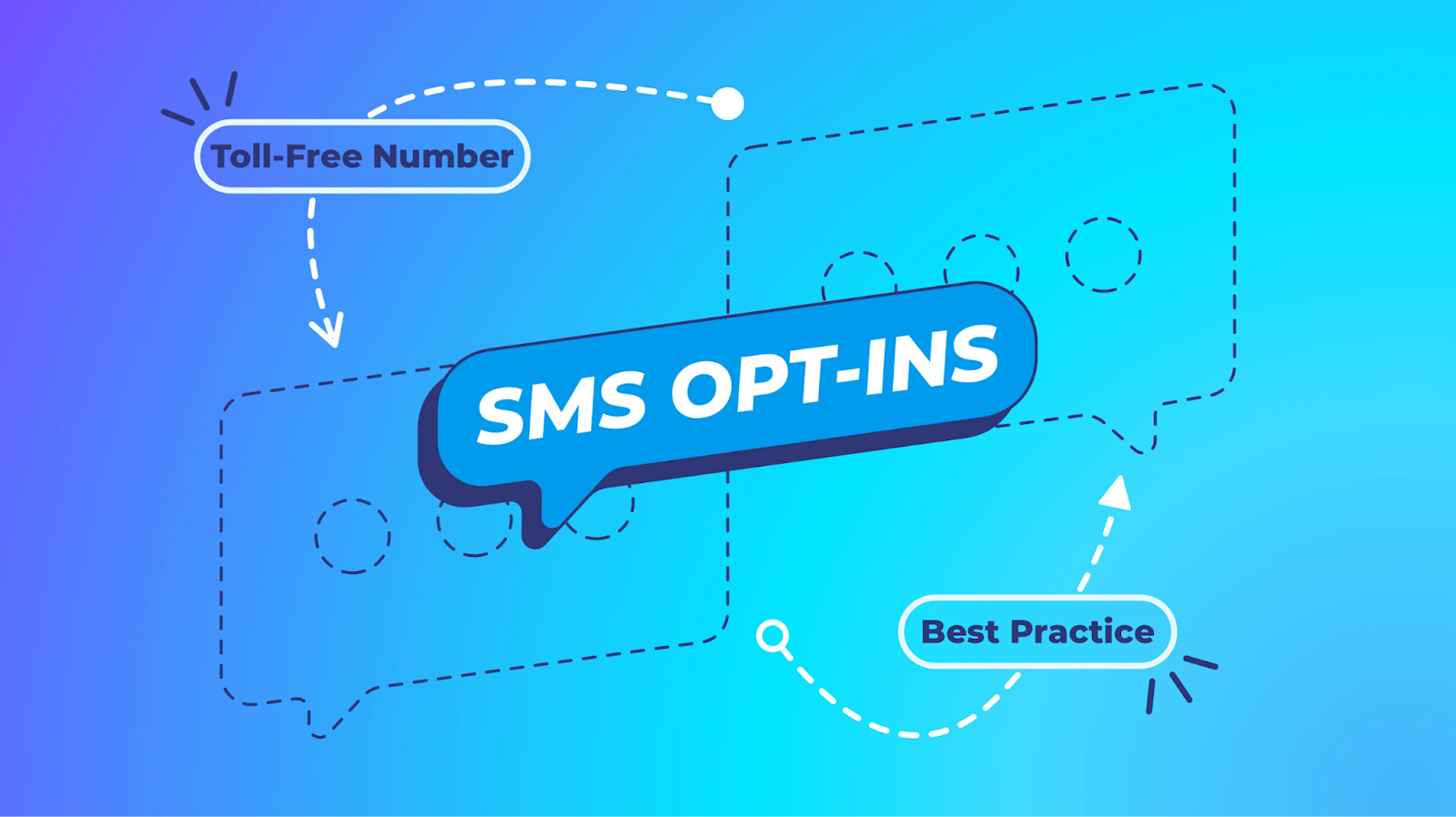
- Register campaigns and brands when required. In the U.S., 10DLC programs require brand and campaign registration before you send at volume. Your use case, sample messages, and consent path are reviewed.
- Only message people who consented. Be able to produce the opt-in path and date. Keep opt-in specific to what you send. Verbal opt-in is the hardest to prove. Written is better.
- Honor standard keywords. “STOP” must stop. “HELP” must explain. Your messages should state how to opt out and your business name or program name.
- Send what you promised. Content should match the stated purpose and frequency. Avoid prohibited categories and misleading content.
If you are ever asked to prove compliance, you will need a clean export: who opted in, when they did, what you sent, and how you enforced STOP/HELP rules.
Why personal 2FA creates risk for SMBs
Using an employee’s personal phone or inbox as the endpoint for one-time codes looks simple. It breaks in three ways:
- No custody chain. You cannot prove that the person who received the code is the person who typed it. If a dispute or breach investigation asks for proof, you will be stuck.
- Weaker factors. Email and SMS OTP can be intercepted or socially engineered. NIST treats these as weaker authenticators and recommends phishing-resistant methods where possible.
- Unlogged exceptions. People work around friction. Codes get copied to side channels. Photos of screens circulate. None of it is logged.
The result is higher fraud exposure and weak evidence when you need it most.
A practical, operator-friendly solution
You do not need a security team to fix this. You need a standard flow and a system that bakes compliance into day-to-day work.
1) Register your A2P program once
Define use cases, capture opt-in cleanly, and include STOP/HELP in your templates by default. Keep brand and campaign records on file, with sample messages and links to your privacy terms.
2) Separate second-factor endpoints from personal devices
If your processor supports app-based or hardware-based MFA, use it. If SMS remains, route codes to controlled endpoints tied to business identities, with logs and least-privilege access. Keep personal numbers out of the loop.
3) Centralize messaging in one audit-ready inbox
Run quotes, invoices, shipping updates, and support in a single thread per order or customer. Enforce opt-in and opt-out in the same place you work. Export evidence on demand.
4) Tie payments and messages together
Share payable invoices in-thread. Store receipts beside the conversation. Do not paste card data in messages. Do not ask buyers to send card details over text
5) Make 'proof packets' a habit
When a dispute or carrier inquiry opens, export one packet: consent record, message history, STOP/HELP events, and the transaction timeline. The more you do this, the less time you spend screenshotting.
Where Sabhi fits in
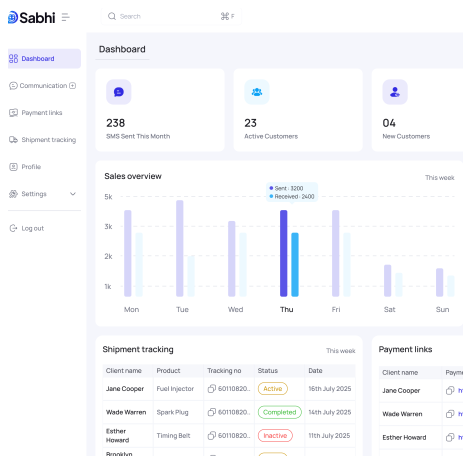
Sabhi is built for operators who want fewer tools and more proof. It keeps messages, invoices, shipping updates, and returns in one place, and handles them in ways that respect A2P and PCI expectations.
- A2P-safe messaging. Sabhi supports registered business messaging use cases and builds STOP/HELP handling into the flow, so opt-outs and assistance replies are enforced and logged. If a carrier or partner asks for evidence, you can export who opted in, when, and what they received.
- PCI-respectful payment flows. Payments are taken in the right place. Card details do not live in chat. Staff actions are time-stamped with user names, and receipts sit beside the conversation, not in someone’s photos. PCI DSS 4.0’s push for evidence and stronger access controls is easier to meet when your system ties messages and transactions to one audit trail.
- Cleaner second-factor patterns. If your payment provider uses MFA, Sabhi’s approach reduces the need to route codes through personal devices by keeping actions bound to business identities and logged activity, aligning with stronger-factor guidance. Where SMS OTP is unavoidable, you can contain it to controlled endpoints and record the step.
The outcome is simple. You can prove consent. You can prove the message history. You can prove who did what in the payment flow. That protects your revenue, reduces chargebacks, and lowers the odds of carrier flags.
Quick reference: PCI 4.0 and A2P checklist for SMBs
A2P must-haves
- Register brand and campaigns for 10DLC if you message U.S. recipients at volume. Keep sample messages on file.
- Use phishing-resistant MFA
- Capture explicit opt-in and be prepared to show it. Honor STOP immediately and respond to HELP with program details.
- Keep content aligned to your declared use case. Avoid prohibited categories.
Team habits
- Never paste card data in chat.
- Do not route 2FA through personal numbers or inboxes.
- Keep quotes, invoices, shipping, and returns in one thread tied to the order.
- Practice exporting a “proof packet” monthly so the muscle memory is there.
What to do next
- See the workflow: how quote → pay → ship → RMA works with A2P-safe messaging and a clean audit trail → Product overview
- Start a trial: set up compliant templates and exports in under a day → Start trial